Silent Progress: Understanding Why Hydroxychloroquine Is Working Even When You Can't Feel It Yet
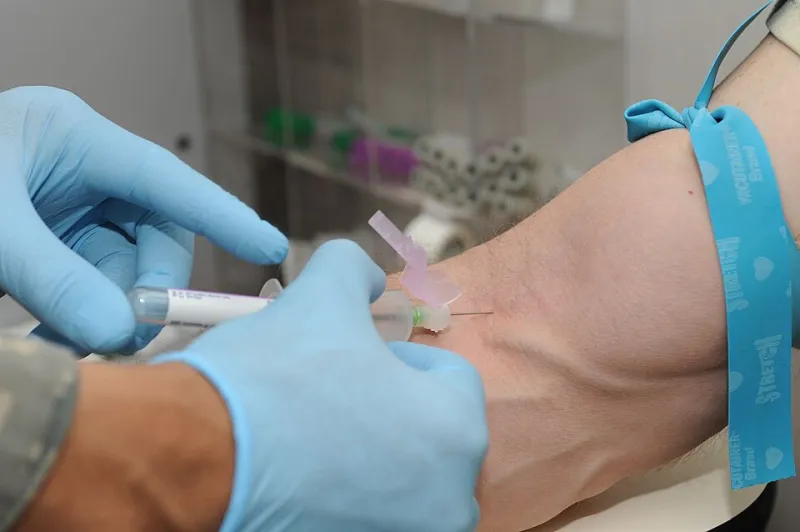
Photo: Staff Sgt. Stephanie Rubi, U.S. Air Force, Public domain, via Wikimedia Commons
There is a particular frustration that accompanies the early weeks of hydroxychloroquine therapy. You have received a diagnosis—perhaps lupus, rheumatoid arthritis, or Sjögren's syndrome—filled your prescription, and begun taking your medication faithfully each day. Yet the joint stiffness persists. The fatigue lingers. The rash has not entirely faded. It is natural, in those moments, to wonder whether the medication is doing anything at all.
The answer, in most cases, is yes—considerably more than you may realize.
Hydroxychloroquine (Plaquenil) belongs to a class of medications known as disease-modifying antirheumatic drugs, or DMARDs. Unlike analgesics or corticosteroids, which interrupt pain signals or suppress inflammation acutely, DMARDs work by altering the underlying mechanisms of immune dysregulation. That distinction matters enormously when it comes to understanding what "working" actually looks like during the first months of treatment.
Why Plaquenil Takes Time: The Biology of Delayed Benefit
Hydroxychloroquine exerts its effects through several interconnected pathways. It accumulates within lysosomes—cellular compartments responsible for processing and presenting antigens—and disrupts the signaling cascades that drive autoimmune activity. This accumulation process is gradual. Studies have consistently demonstrated that hydroxychloroquine reaches therapeutic tissue concentrations over a period of weeks to months, which is precisely why most rheumatologists advise patients to allow a minimum of eight to twelve weeks before making any judgment about efficacy.
This is not a flaw in the medication. It is a feature of its mechanism. Unlike a painkiller that you feel within an hour, Plaquenil is quietly remodeling the immune environment at the cellular level. By the time you notice a difference in how you feel, the drug has often been working for considerably longer than you are aware.
Objective Markers: The Metrics That Tell the Real Story
Because subjective symptom relief can lag behind biological improvement, tracking objective laboratory and clinical markers is essential for patients in the early treatment window. Your rheumatologist will typically monitor several of these at follow-up appointments, but understanding what they mean empowers you to engage more actively in your own care.
Inflammatory markers. Erythrocyte sedimentation rate (ESR) and C-reactive protein (CRP) are blood tests that reflect systemic inflammation. Even when you still feel fatigued or achy, a declining trend in these values over successive visits is a meaningful indicator that hydroxychloroquine is modulating your immune response.
Complement levels. In lupus patients specifically, complement proteins C3 and C4 are often consumed during periods of active disease. Rising complement levels during treatment suggest that the immune system's inflammatory activity is being brought under control.
Anti-dsDNA antibody titers. For those with lupus, a decrease in anti-double-stranded DNA antibodies—a marker closely associated with disease activity—can signal that Plaquenil is suppressing the autoimmune response, often before clinical symptoms fully resolve.
Flare frequency. This one requires patience and record-keeping. A patient who was experiencing monthly flares and has gone eight weeks without one may not feel dramatically different on any given day, but the calendar tells a different story. Tracking flare frequency over time—dates, severity, duration—provides longitudinal evidence of benefit that individual days cannot.
The Subtle Wins Worth Celebrating
Beyond laboratory values, there are experiential improvements that patients frequently undervalue because they are accustomed to feeling worse. Consider the following questions honestly:
- Are you sleeping through the night more consistently than you were two months ago?
- Has the duration of your morning stiffness shortened, even if it has not disappeared?
- Are you completing tasks—grocery shopping, a full workday, a social engagement—with less post-exertional fatigue than before?
- Have you needed fewer doses of NSAIDs or rescue medications in recent weeks?
These incremental improvements are not trivial. They represent real changes in disease burden, and they are frequently among the earliest signals that hydroxychloroquine is establishing its therapeutic foothold. The challenge is that human beings adapt quickly to feeling slightly better; we stop noticing improvements that have become our new baseline. This is why maintaining a symptom journal—even a simple daily rating scale from one to ten—can be revelatory when reviewed over months rather than days.
Managing Expectations Without Losing Hope
One of the most important conversations any patient can have with their rheumatologist occurs before treatment even begins: a frank discussion about the expected timeline and what constitutes a reasonable early response. Research published in rheumatology literature suggests that a substantial proportion of patients experience meaningful improvement by the three-to-six-month mark, with benefits continuing to accrue beyond that point.
For newly diagnosed patients in the United States, where the healthcare system often rewards immediacy and where consumer culture conditions us to expect rapid results, this timeline can feel counterintuitive. It requires a reorientation of what "progress" means. Progress, in the context of hydroxychloroquine therapy, is not always the dramatic lifting of a fog. It is sometimes the fog thinning, incrementally, over months—and the objective data confirming that the clearing is real.
If you are concerned that your medication is not working, the appropriate response is a conversation with your rheumatologist—not discontinuation. Stopping hydroxychloroquine abruptly, particularly during the early treatment window, forfeits the biological investment already made and may precipitate a disease flare. Your provider can help contextualize your current laboratory trends and symptom trajectory within the broader arc of your treatment plan.
Compliance as an Act of Advocacy
Staying on a medication that you cannot yet feel working demands a particular kind of trust—trust in the science, trust in your clinical team, and trust in your own body's capacity to respond. Adherence to hydroxychloroquine during the early months is not passive compliance; it is an active decision to invest in long-term disease control.
Patients who remain consistent with their dosing schedules during this critical window are the ones most likely to experience the full protective benefits that hydroxychloroquine is known to confer: reduced organ damage in lupus, lower rates of cardiovascular events, decreased risk of diabetes, and sustained suppression of disease activity over years of therapy.
The medication may be quiet. But it is not idle. And recognizing that distinction may be the most important thing you do in your first year of treatment.